DeepInfra raises $107M Series B to scale the inference cloud — read the announcement

Double exposure is a photography technique that combines multiple images into a single frame, creating a dreamlike and artistic effect. With the advent of AI image generation, we can now create stunning double exposure art in minutes using LoRA models. In this guide, we'll walk through how to use the Flux Double Exposure Magic LoRA from CivitAI with DeepInfra's deployment platform.
What You'll Need
- A CivitAI account (free)
- A DeepInfra account (free)
Set Up a LoRA model
- Log in to your DeepInfra account
- Navigate to the Deployments section
- Click the "New Deployment" button in the top right corner
- Select "LoRA text to image" from the options
Once you navigate to this section, you will see a screen like this:
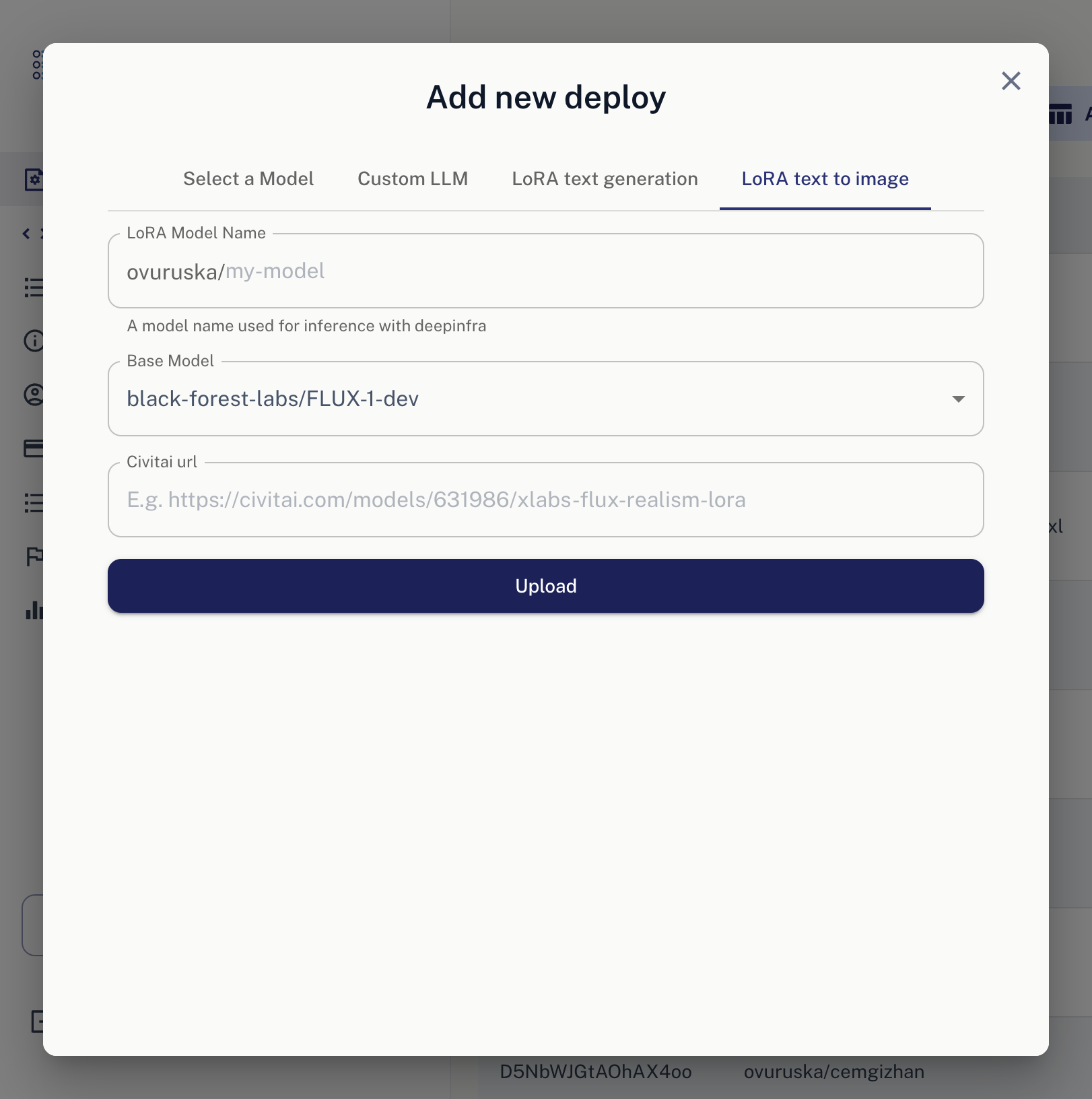 5. Write your preferred model name.
6. We'll use FLUX Dev for this LoRA. You can keep it as it is.
7. Add the following CivitAI URL: https://civitai.com/models/715497/flux-double-exposure-magic?modelVersionId=859666
8. Click "Upload" button, and that's it. VOILA!
5. Write your preferred model name.
6. We'll use FLUX Dev for this LoRA. You can keep it as it is.
7. Add the following CivitAI URL: https://civitai.com/models/715497/flux-double-exposure-magic?modelVersionId=859666
8. Click "Upload" button, and that's it. VOILA!
Once LoRA processing has completed, you should navigate to
http://deepinfra.com/<your_name>/<lora_name>
When you have navigated, you should view our classical dashboard, but with your LoRA name.
An Example: Cyberpunk Double Exposure
Now let's create some stunning visuals... Let's break down this stunning example:
bo-exposure, double exposure, cyberpunk city, robot face

Key Takeaway ⚠️
Notice how we use BOTH bo-exposure and double exposure. This combination is crucial - using both terms together gives you the best double exposure effect.
More tutorials are on the way. See you in the next one 👋
 How Mixture of Experts Models Changed LLM Economics<p>Every open-weight model that has closed the gap with GPT-5.5 and Claude Opus 4.7 this year has one thing in common. DeepSeek V4-Pro: 1.6 trillion parameters, 49 billion active per token. Kimi K2.6: 1 trillion parameters, 32 billion active. GLM-5.1: 744 billion parameters, 40 billion active. MiniMax M2.7: large total parameter count, 10 billion active […]</p>
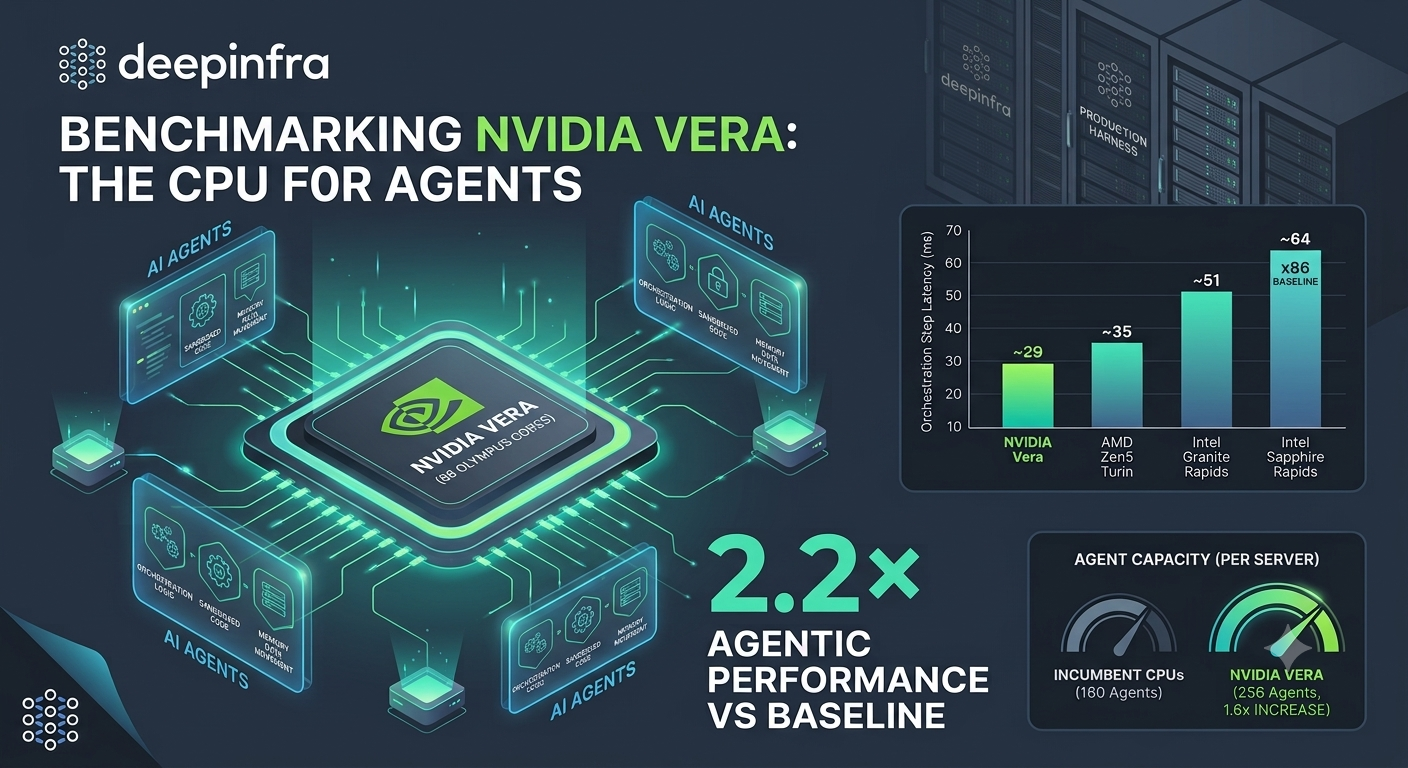 We Benchmarked NVIDIA Vera, the CPU for Agents. Here's What We MeasuredDeepInfra runs AI agents in production, so when NVIDIA built a CPU for agents, we measured it ourselves with our own harness, our own agent, and a methodology we locked before the hardware arrived.
 Best OpenClaw Alternatives: Hermes Agent, ZeroClaw & NemoClaw<p>OpenClaw has 362,000 GitHub stars and a skill marketplace with over 44,000 community contributions. That kind of adoption doesn’t happen by accident. Still, the same teams running it in production keep running into the same complaint: the model list is fixed. OpenClaw’s guided setup wizard covers OpenAI, Anthropic, Google, DeepSeek, and local Ollama. You can […]</p>




© 2026 DeepInfra. All rights reserved.